No products in the cart.
Why Silent Objects Matter in Home Design
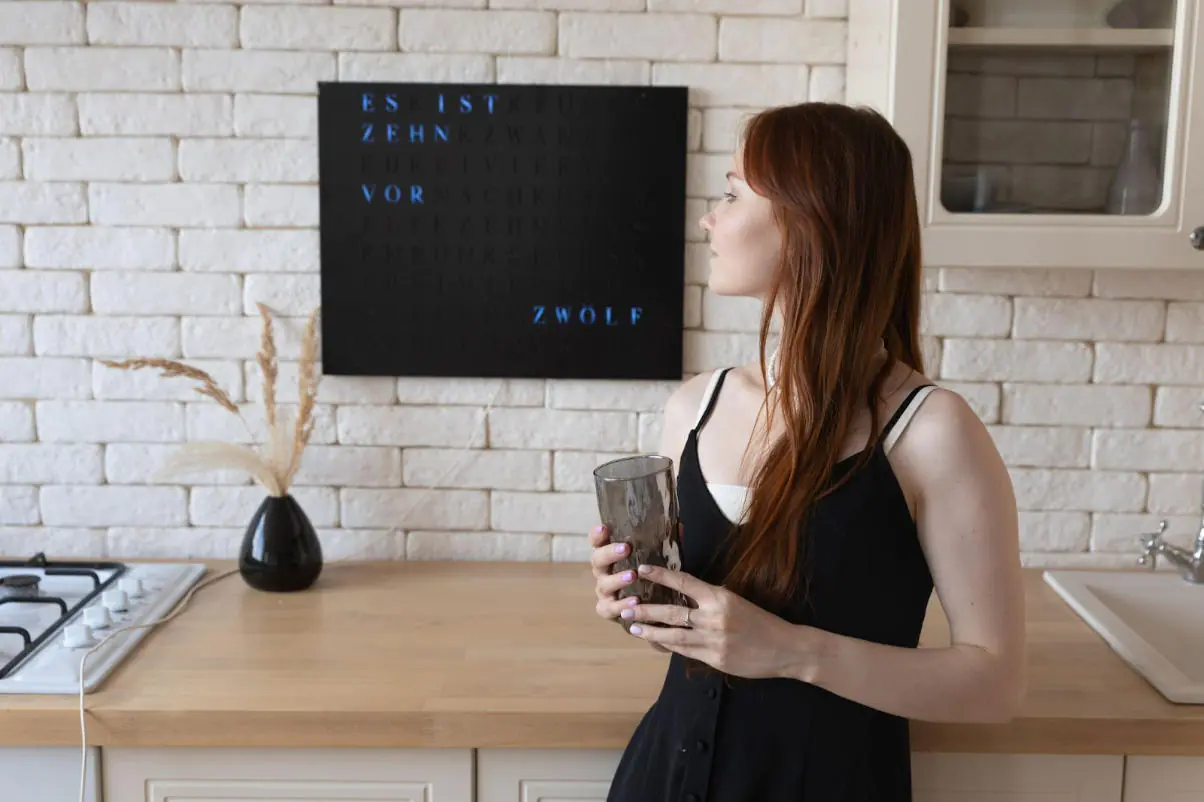
Imagine sitting in your living room, trying to read a book or have a meaningful conversation, when suddenly you become aware of a symphony of sounds you hadn’t noticed before. The wall clock ticking steadily, the refrigerator humming in the kitchen, the air purifier whirring softly in the corner, and perhaps a fan spinning overhead. These sounds, individually minor, create a constant backdrop of noise that our brains work overtime to filter out.
Most of us have accepted this auditory chaos as normal, but what if it doesn’t have to be? What if the objects we surround ourselves with could serve their purpose while contributing to peace rather than noise? Silent objects are not about removing functionality. They are about removing unnecessary disruption. In home design, this distinction matters.
The Hidden Impact of Everyday Noise
The Constant Background Layer
Most modern homes maintain continuous ambient sound levels between 40 and 60 decibels. This is comparable to a quiet conversation that never ends. Appliances, electronics, ventilation systems, and traditional mechanical clocks contribute to this ongoing acoustic layer.
The brain is capable of filtering repetitive sounds, but this process requires cognitive energy. Even when not consciously noticed, mechanical repetition continues to stimulate the nervous system. Over time, this contributes to mental fatigue and reduced focus.
Sleep research further supports this connection. Repetitive ticking or humming can prevent the nervous system from fully settling into deeper sleep stages. The body remains subtly alert.
When Functional Objects Create Tension
Many everyday objects are designed for utility without consideration of their acoustic footprint. Traditional analog clocks are a common example. The steady ticking mechanism produces a rhythmic interruption that repeats every second.
In quiet spaces such as living rooms, bedrooms, or home offices, this repetition becomes more noticeable. What begins as a practical time display can gradually turn into a source of distraction.
The cumulative effect of small mechanical sounds is often underestimated. Individually minor, together they influence how a room feels. Removing even one consistent source of noise can noticeably shift the atmosphere.
https://word-clock.com/wortuhr-jupiter-blue-ocean/
Silent Design as a Conscious Approach
Function Without Interruption
Silent design begins with a simple principle: an object should fulfill its purpose without competing with the space around it.
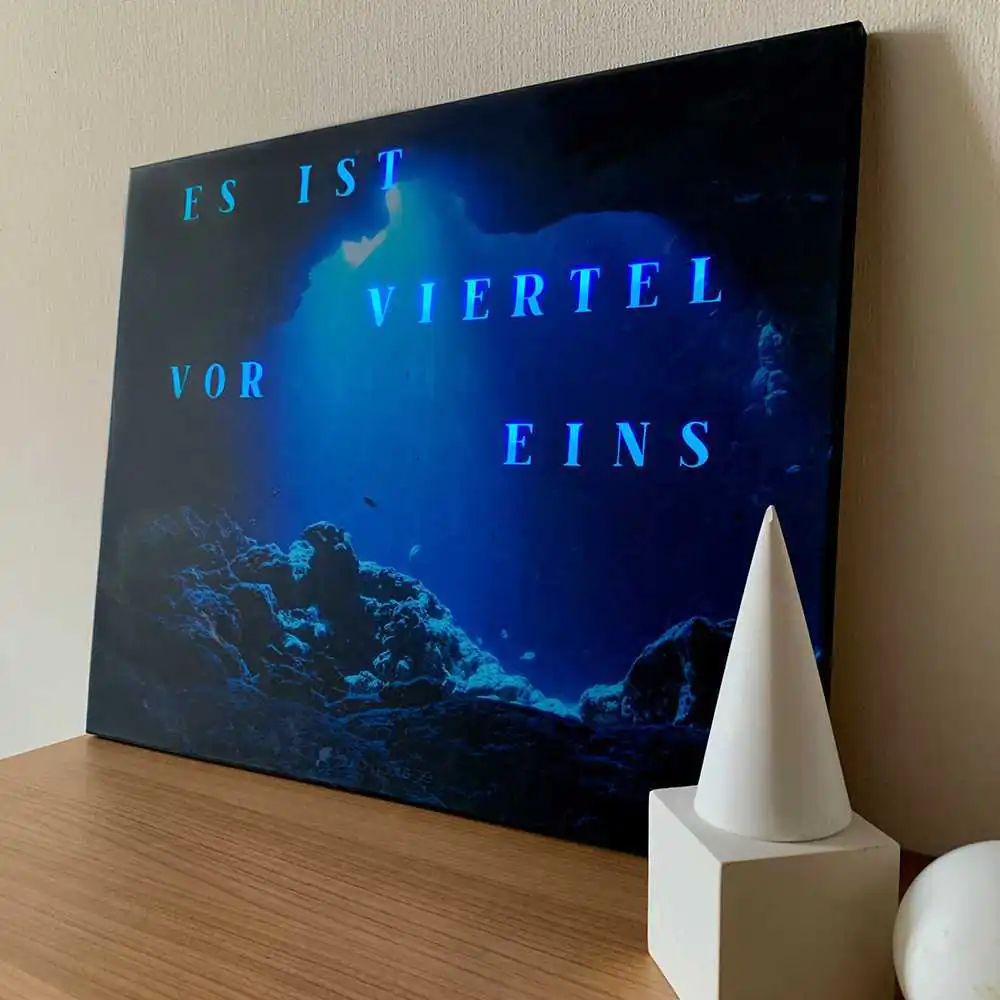
In timekeeping, this principle has led to the development of alternatives to mechanical clocks. The WordClock is one such example. Instead of rotating hands powered by ticking components, it displays time through illuminated words.
There are no moving mechanical parts producing sound. Time appears visually. The experience becomes calmer and more intuitive.
https://word-clock.com/wortuhr-jupiter-kupfer-grunspan/
What the WordClock Actually Is
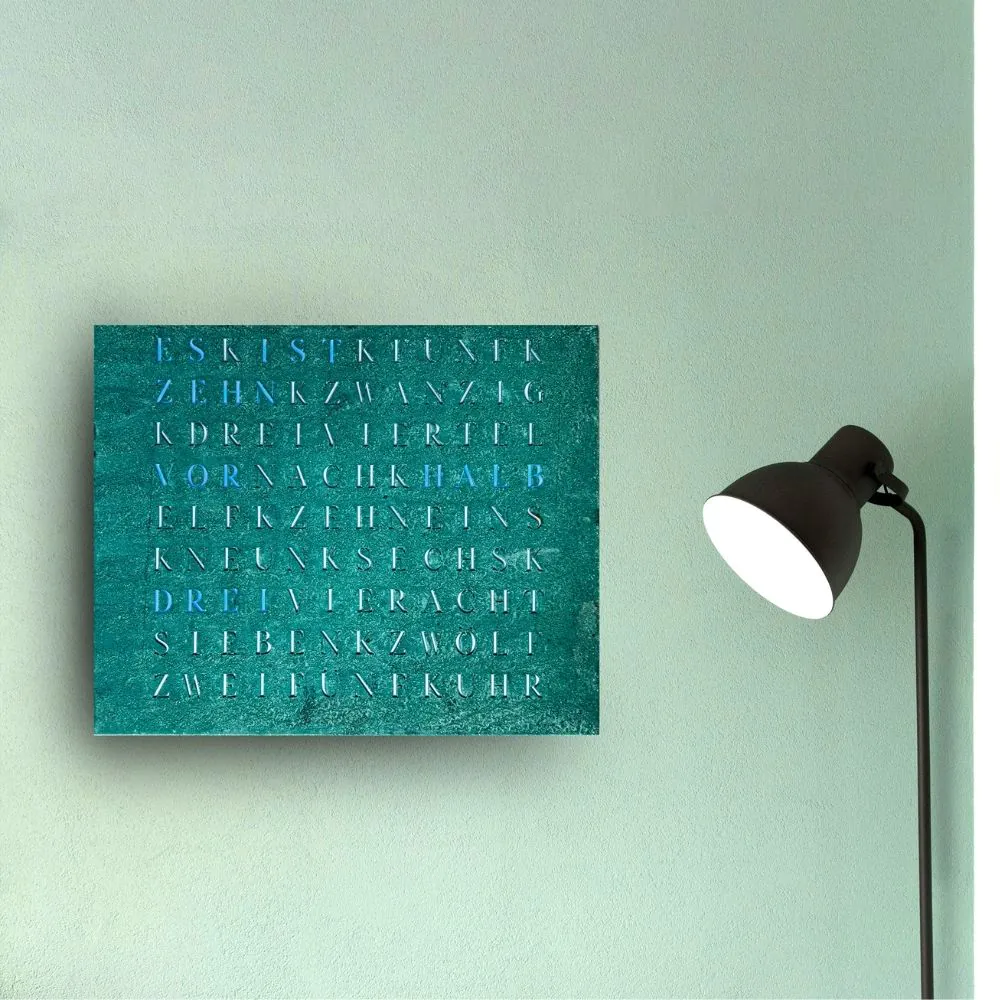
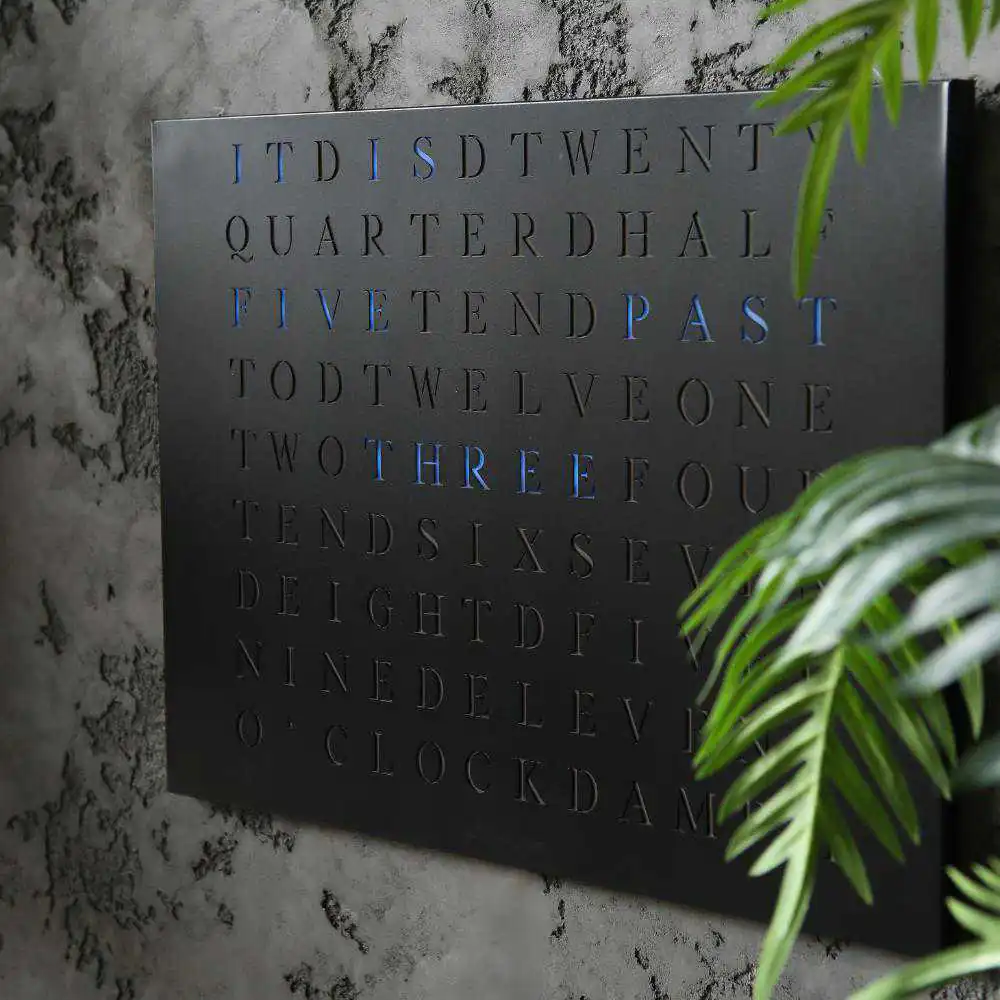
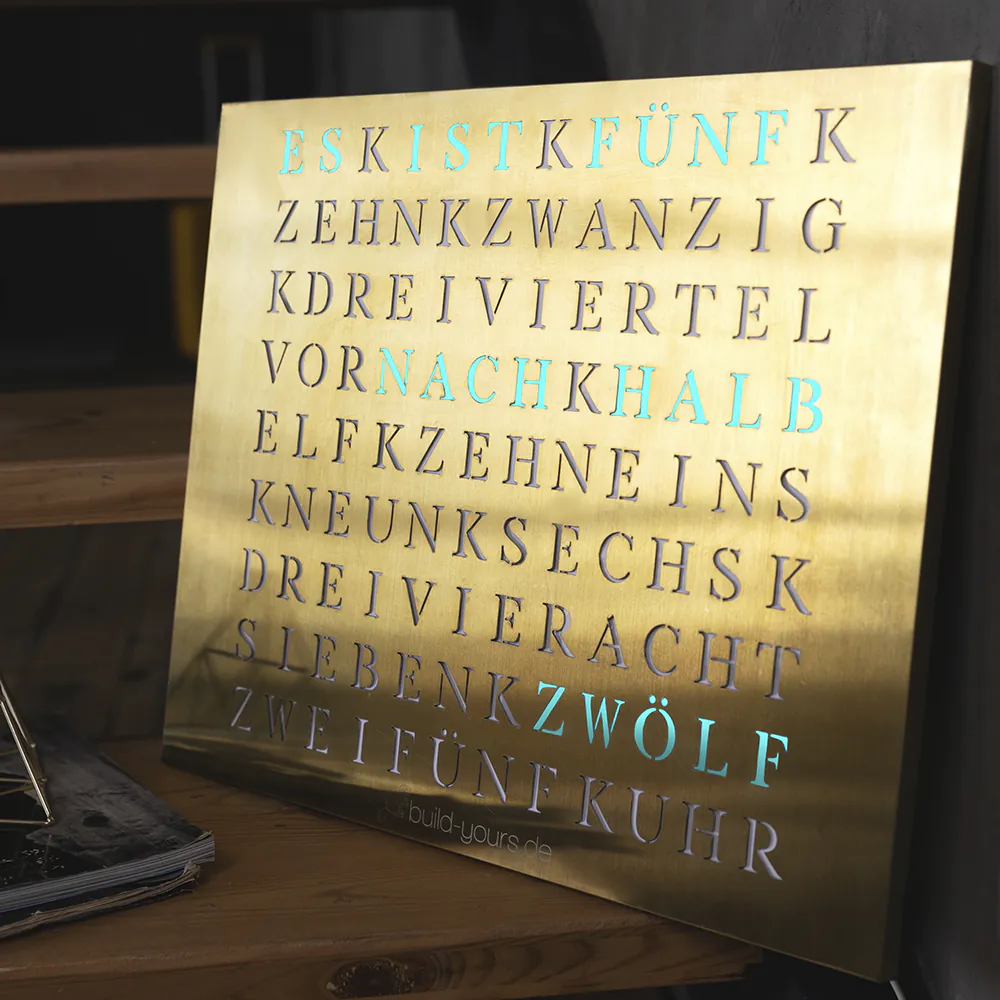
The WordClock is a modern wall clock that tells time using light and language rather than traditional hands or numbers. The surface contains a matrix of letters. At any given moment, specific words illuminate to form a readable sentence such as “It is half past seven.”
This design removes the need for mechanical movement. Without ticking or audible mechanisms, the clock operates silently.
The result is precise timekeeping combined with visual presence. It serves its function while integrating quietly into the room.
Rather than measuring time through motion and sound, the WordClock communicates time through light.
The Psychological Effect of Quiet Spaces
Cognitive Clarity
A quieter environment reduces the need for constant auditory filtering. When repetitive mechanical noise is removed, mental resources become available for focus and creative thinking.
Studies in controlled environments show that reduced ambient noise improves concentration and lowers mental fatigue. Even modest reductions can support longer periods of sustained attention.
In spaces designed for reading, working, or conversation, silence enhances engagement.
Emotional Stability
Environmental control plays a significant role in emotional well being. When unnecessary noise is minimized, the body experiences fewer low level stress triggers.
Mechanical ticking or sudden electronic sounds can activate subtle stress responses. Over time, these small interruptions accumulate.
Silent objects contribute to a sense of calm consistency. The absence of repetitive sound reduces background tension and supports a more stable atmosphere.
Sleep Quality
Bedrooms are particularly sensitive environments. Deep sleep requires a reduction in sensory stimulation, including sound.
Traditional ticking clocks continue to signal the passing of time throughout the night. Even when not consciously heard, the brain remains partially responsive.
Replacing mechanical timepieces with silent alternatives such as the WordClock removes this stimulus entirely. The absence of ticking supports more restful sleep patterns.
https://word-clock.com/wortuhr-jupiter-stainless-steel-black-english-version/
Room by Room Applications
Living Areas
Living rooms serve as spaces for conversation, relaxation, and shared experiences. In these environments, even subtle ticking can draw attention during quiet moments.
A silent wall clock maintains time awareness without interrupting conversation or stillness. The WordClock adds visual interest while remaining acoustically neutral.
Soft furnishings and thoughtful placement further enhance the calming effect.
https://word-clock.com/wortuhr-jupiter-gelaserter-edelstahl-gold/
Bedrooms
Bedrooms benefit significantly from acoustic simplicity. Removing ticking clocks is often one of the most noticeable improvements.
A WordClock used in a bedroom setting provides time visibility through soft illumination rather than sound. The room remains quiet even during complete stillness.
Workspaces
Home offices demand focus. Mechanical repetition can increase cognitive load during tasks that require concentration.
Silent timekeeping allows awareness of schedule without adding pressure through constant ticking. In work environments, this subtle shift can improve clarity and reduce distraction.
The Future of Quiet Living

Design priorities are evolving. Increasing awareness of wellness, mental clarity, and environmental impact has shifted attention toward intentional living spaces.
Products are now evaluated not only for how they look or function, but also for how they influence the sensory experience of a room.
The WordClock reflects this evolution in timekeeping. It maintains full functionality while removing mechanical noise. It demonstrates that performance does not require sound.
As homes continue to serve multiple roles including rest, work, and connection, silent design becomes increasingly relevant.
Summary
Silent objects change how spaces are experienced. Removing repetitive mechanical sound reduces cognitive load, supports emotional stability, and improves sleep quality.
The WordClock offers a clear example of this principle in practice. By displaying time through illuminated words rather than ticking mechanisms, it provides accurate timekeeping without disruption.
In thoughtfully designed interiors, silence is not emptiness. It is a deliberate design choice.
Frequently Asked Questions
Are silent clocks as accurate as traditional clocks?
Yes. Silent clocks such as the WordClock maintain precise timekeeping. The difference lies in how time is displayed, not in accuracy.
Does removing a ticking clock really make a difference?
Many people notice a measurable shift in room atmosphere once repetitive ticking is removed. The absence of constant mechanical sound often makes a space feel calmer and more balanced.
Is the WordClock decorative or functional?
The WordClock is fully functional. It displays the current time in illuminated words while also serving as a design object within the space.
Can reducing background noise improve sleep?
Research consistently links lower ambient noise levels with improved sleep quality. Removing repetitive mechanical sounds can support deeper and more restorative rest.
Is silent design a long term movement?
Growing awareness of environmental stressors and wellness centered living suggests that silent design is more than a temporary trend. It represents a broader shift toward mindful and intentional home environments.